The short answer: only if the claim can stand on your own numbers.
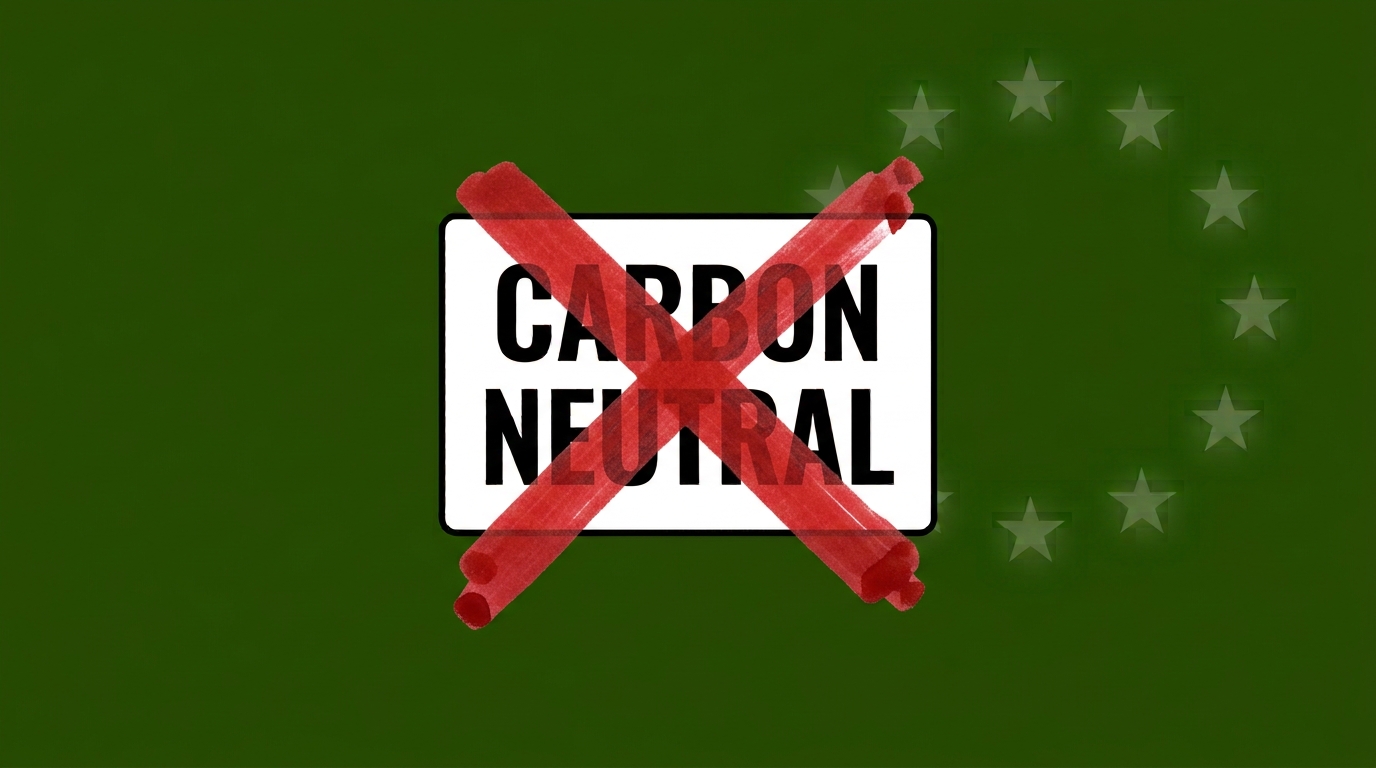
In less than three years, regulators in the EU, Australia, the UK and Canada have each rewritten the rules for environmental marketing claims. None of them banned the words “carbon neutral”. All of them removed the ground those words used to stand on: the purchased label.
If you run events or market them, this applies to you directly. An event is a product under consumer law. A ticketed festival, a public conference and an exhibition all make claims to the people who buy in. Here is what changed, where, and what still works.
Europe: the offset-based claim is now unlawful
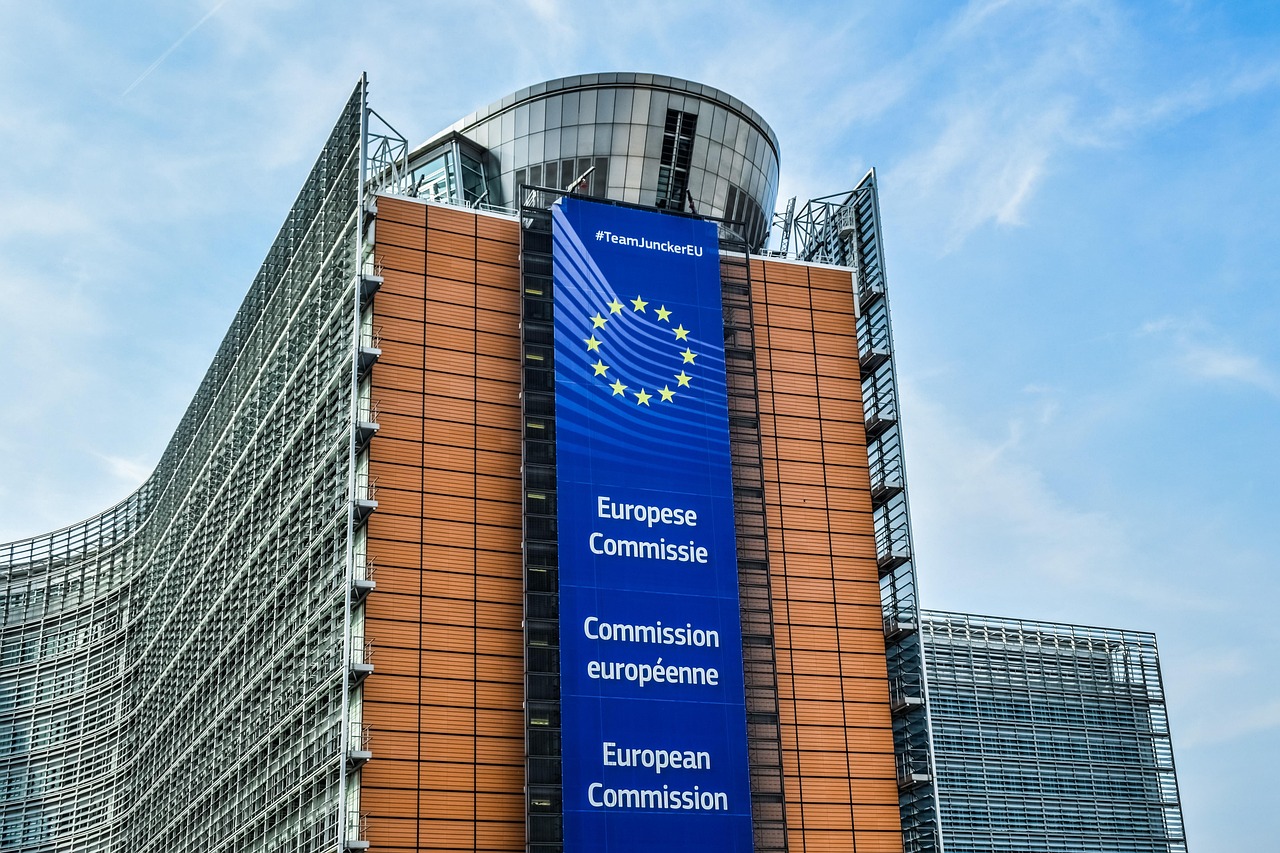
Since 27 September 2026, the Empowering Consumers for the Green Transition Directive (Directive 2024/825) applies across EU member states. Three changes matter for events.
First, it bans claiming that a product or service has a neutral, reduced or positive climate impact when the claim rests on offsetting emissions outside the value chain. The directive’s banned examples include “climate neutral”, “CO2 neutral certified” and “climate compensated”. Under EU consumer law a product can be a good or a service, which is what brings a climate-neutral flight, a carbon-neutral delivery service and a consumer-facing event inside the rule.
Second, it bans generic environmental claims such as “eco-friendly” and “green” unless they are substantiated. Third, sustainability labels are only permitted when they come from a certification scheme or a public authority. Self-awarded badges are out.
What the directive does not do is ban the vocabulary outright. A claim built on measured reductions within your own operations, stated specifically and backed by evidence, remains lawful. The basis of the claim is what changed, not the dictionary.
One point of frequent confusion: the EU’s separate Green Claims Directive proposal stalled in 2025. That changes nothing here. Directive 2024/825 is already law and applies regardless.
Australia: the label retires, the bar rises
Two things happened in Australia within three months of each other.
On 24 July 2026, the government announced it is winding up Climate Active, the federal carbon neutral certification program. The decision to close is confirmed, and certification is proposed to end 30 June 2027. The program’s trademarks and its Carbon Neutral standards will be discontinued. Events were one of Climate Active’s six certification categories, which means festivals, conferences and public events that carried the logo are about to lose it, with nothing government-issued arriving to replace it.
Then on 20 October 2026, the ACCC published new guidance for businesses making emissions claims to consumers. The expectations are specific: use credible, science-based accounting standards, be transparent about any purchased credits, avoid broad or selective claims, avoid double counting, and consider what an average consumer would understand the claim to mean. The guidance flags absolute terms such as “carbon neutral”, “net zero” and “climate positive” as risky in short-form marketing, because they are absolute claims.
Put together, the message is hard to miss. The certificate is going away, and what stands behind any claim from here is your measurement, your boundary and your records.
The UK and Canada: same direction, different routes
The UK did not write a new rulebook. It gave the existing one teeth. The Green Claims Code still sets the standard, and since April 2025 the Competition and Markets Authority has had direct enforcement powers under the DMCC Act, including fines of up to 10% of global turnover.
In January 2026 the CMA added supply chain guidance with a point every event agency should sit with: a business that repeats or relies on someone else’s green claim can be liable for it. If a venue tells you its energy is carbon neutral and you pass that on to your client’s audience, the claim becomes yours.
Canada moved earliest. Amendments to the Competition Act in June 2024 require environmental claims about a business to be backed by adequate and proper substantiation, and the Competition Bureau issued final guidelines in June 2025. Further amendments in March 2026 dropped the original requirement that substantiation follow internationally recognized methodology and scaled back private enforcement, but the core requirement stands: no substantiation, no claim.
The United States is the outlier. The FTC’s Green Guides have not been revised since 2012 and the federal review has stalled, though California’s disclosure laws bind. The practical point for American organizations: jurisdiction follows where you market, not where you are headquartered. A US company running a congress in Amsterdam or an incentive in Sydney is inside these rules.
Four regulators, one principle
| Jurisdiction | What changed | In force | What it means for event claims |
|---|---|---|---|
| EU | Offset-based neutrality claims banned, generic claims and self-awarded labels restricted | 27 Sep 2026 | ”Carbon neutral event” built on purchased offsets is unlawful in consumer marketing |
| Australia | Climate Active closing, ACCC emissions claims guidance published | Oct 2026, certification proposed to end 30 Jun 2027 | The certified label disappears, claims must stand on science-based measurement |
| UK | CMA direct enforcement powers, supply chain liability guidance | Apr 2025 and Jan 2026 | Repeating a supplier’s or venue’s claim makes it your claim |
| Canada | Competition Act substantiation requirement, Bureau final guidelines, requirement narrowed in 2026 | Jun 2024, Jun 2025 and Mar 2026 | Claims about a business need adequate and proper substantiation behind them |
Four regulators reached the same position by different routes: a claim is only as good as the evidence underneath it. Absolute labels are out of favor everywhere.
Specific, substantiated statements are safe everywhere. Transparency about purchased credits is expected everywhere. And in every jurisdiction, the organization making the claim carries the burden of proving it.
What event teams should do now
None of this requires panic. It requires an audit and a change of habit.
- Find every claim you currently make. Website, sponsorship decks, event signage, post-event reports, supplier communications. List every absolute term: carbon neutral, net zero, climate positive, sustainable, green.
- Check the basis of each one. Is it built on emissions you measured and reduced within your own boundary, or on credits purchased outside it? The first can be restated specifically. The second is now a liability in consumer marketing across the EU, and risky well beyond it.
- Keep measuring. If your events were Climate Active certified, the measurement discipline the standard taught you remains best practice. What retires is the logo, not the method.
- Write the method down. The boundary of what you counted, the data source for each emissions category, which figures were estimated and how, and the emissions factors applied. Substantiation is no longer optional paperwork. It is what makes a claim legal.
- Replace labels with specifics. “We measured this event across seven emissions categories and reduced travel emissions 18% against last year” survives in every jurisdiction above. “Carbon neutral event” survives in almost none of them.
- If you buy credits, say so plainly. State them separately from your reduction results, never blended into one claim.
Agencies have a seventh task: check the claims you repeat. Under the UK’s supply chain guidance, and as a matter of basic risk elsewhere, a venue’s or caterer’s unverified claim becomes yours the moment you put it in front of your client’s audience.
The label era is over. The evidence era suits event teams better.
When I ran an events agency, we had a client who measured their events every year and never once looked at the results. The reporting existed to earn the badge. Once the badge arrived, the data went into a drawer until the next cycle.
I have wondered what they will do now that the badge is going away. My hope is that they finally open the drawer, because the old system rewarded whoever bought the label, and the new one rewards whoever can show their numbers and act on them.
That is a better deal for event professionals than it first appears. Event teams already hold most of the underlying data: registration counts, travel details, venue energy, catering orders, freight manifests. What the new rules demand is that this data be structured, consistent and ready to stand behind.
That is the work EventZero does. We measure event emissions across seven categories, using current, officially published emissions factors, and produce reporting your organization can stand behind with regulators, procurement panels and boards. Start your 14-day free trial.
Next in this series: what happens to Climate Active certified events after June 2027.
This article is general information, not legal advice. If your organization makes consumer-facing environmental claims, have them reviewed by counsel in the markets where you operate.
Frequently asked questions
- Can you still call your event carbon neutral?
- Only if the claim can stand on your own numbers. Regulators in the EU, Australia, the UK and Canada have not banned the words "carbon neutral", but each has removed the ground those words used to stand on, which was the purchased label.
- Are offset-based carbon neutral event claims banned in the EU?
- In consumer marketing, yes. Since 27 September 2026, Directive 2024/825 bans claims of a neutral, reduced or positive climate impact that rest on offsetting emissions outside the value chain. A claim built on measured reductions within your own operations, stated specifically and backed by evidence, remains lawful.
- What is happening to Climate Active certification?
- On 24 July 2026 the Australian government announced it is winding up Climate Active. The decision to close is confirmed, certification is proposed to end 30 June 2027, and the program's trademarks and its Carbon Neutral standards will be discontinued.
- What should event teams say instead of "carbon neutral"?
- Replace labels with specifics. State what you measured, across which emissions categories, and what you reduced against last year. If you buy credits, say so plainly and state them separately from your reduction results.